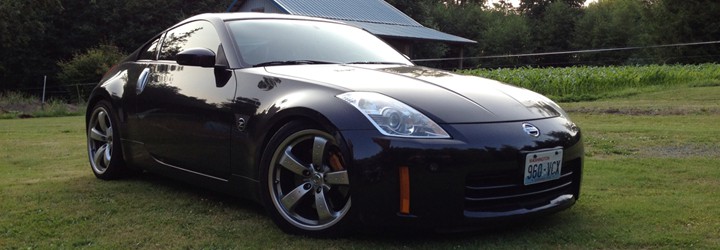
Every generation of the Z, with its specifications and photographs.
Model years1984-1989 (Z31), 1990-1996 (Z32) (NA), 1990-2000
1984-1989: Designed to share the familiar Z-car silhouette, the 300ZX was given its own strikingly individual lines. Performance was also improved, thanks to a new generation 3.0 liter V6 engine, the heart and soul for both the normally aspirated and turbocharged model. Turbo models offered driver-adjustable shock absorbers as well as larger tires and wheels. In moving the car upscale, Nissan had stressed luxury over all-out performance, successfully responding to a similar shift in consumer tastes. But as the 80's waned, marketers forecasted a downturn in the Z's traditional buyer segment. For the 90's, people were moving back to basics, and when it came to sports cars, that meant a return to the true performance tradition. 1990+: In response, the fourth-generation Z-- the dramatic 1990 300ZX -- took on tighter proportions and a much more aggressive stance. The all-new DOHC 3.0 liter engine offered increased output of 222 horsepower for the normally aspirated model and an incredible 300 horsepower for the turbo. Reaction to the fourth generation Z was akin to that of the original 240Z. Praise from the motoring press was sweeping, as the car garnered every major automotive accolade for the year. 1990 was also the year that saw American Z-car sales reach the one million sales mark--making it the fastest-selling sports car of all time. Accolades for the new 300ZX have continued to be strong. In all, it has been named one of Automobile's "all-Stars" and Car and Driver's "Ten Best" not once, but five years in a row (1990-1994). In 1994, a race-modified version won the prestigious 24 Hours of Daytona and the 12 Hours of Sebring. The 300ZX also went on to win the GTS Class at the 24 hours of LeMans, making it the only car ever to achieve such a record within the same year. In 1995, the Z celebrated its 25th anniversary with another "Ten Best' award from Car and Driver, making it six straight years for the Z. In tribute, Z Car Club members from regional clubs throughout the U.S. organized a historic relay that took the shape of a gigantic Z across America, starting in Sale Lake City and concluding in Atlanta at the National Z Car Club convention last July. From its smashing debut as the 240Z to becoming one of the most honored sports cars ever as the 300ZX, the Z has carved its place in automotive history. The popularity of the 240Z and its successors spawned a new class of high performance Japanese sports cars and introduced more than two generations of automotive enthusiasts to the kind of pure motoring excitement Mr. Katayama had in mind nearly 30 years ago.
| Specification | All years |
|---|---|
| Overview | |
| Internal name | Z31, Z32 |
| Engine | |
| Valve gear | 1984-1989: DOHC; 1990+: Twin-turbocharged DOHC |
| Fuel system | Multi-Point electronic fuel injection |
| Performance | |
| Horsepower | 1984-1989: 222bhp @ 6,400 rpm; 1990+: 300 bhp @ 6,400 rpm |
| Torque | 1984-1989: 198lb. ft @ 4,800 rpm; 1990+: 283lb ft @ 3,600 rpm |
| Drivetrain | |
| Transmission | 5-speed manual with overdrive 4-speed automatic with overdrive optional |
| Dimensions | |
| Wheelbase | 1984-1989: 96.5 in; 1990+: 101.2 in |
| Length | 1984-1989: 169.5 in.; 1990+: 178 in. |
| Weight | 1984-1989: 3,287 lbs.; 1990+: 3,287 lbs. |